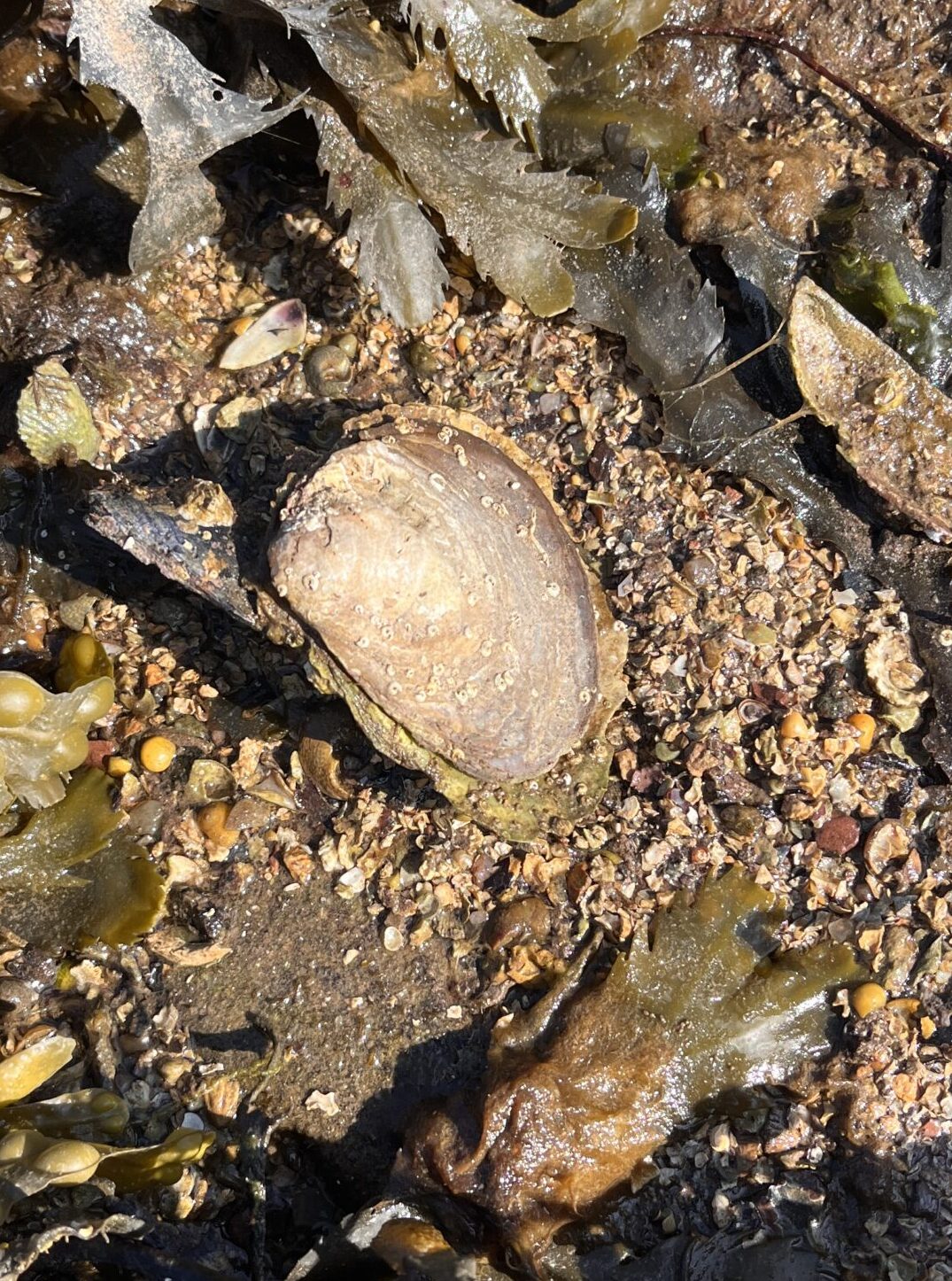
Marine restoration
Protect and enhance what lies beneath
Davaar Island Conservation Initiative
Our aim is to nurture and protect this incredibly unique and special place through a carefully coordinated combination of marine protection, habitat restoration, native breeds, native woodland and, most vitally of all, conservation.
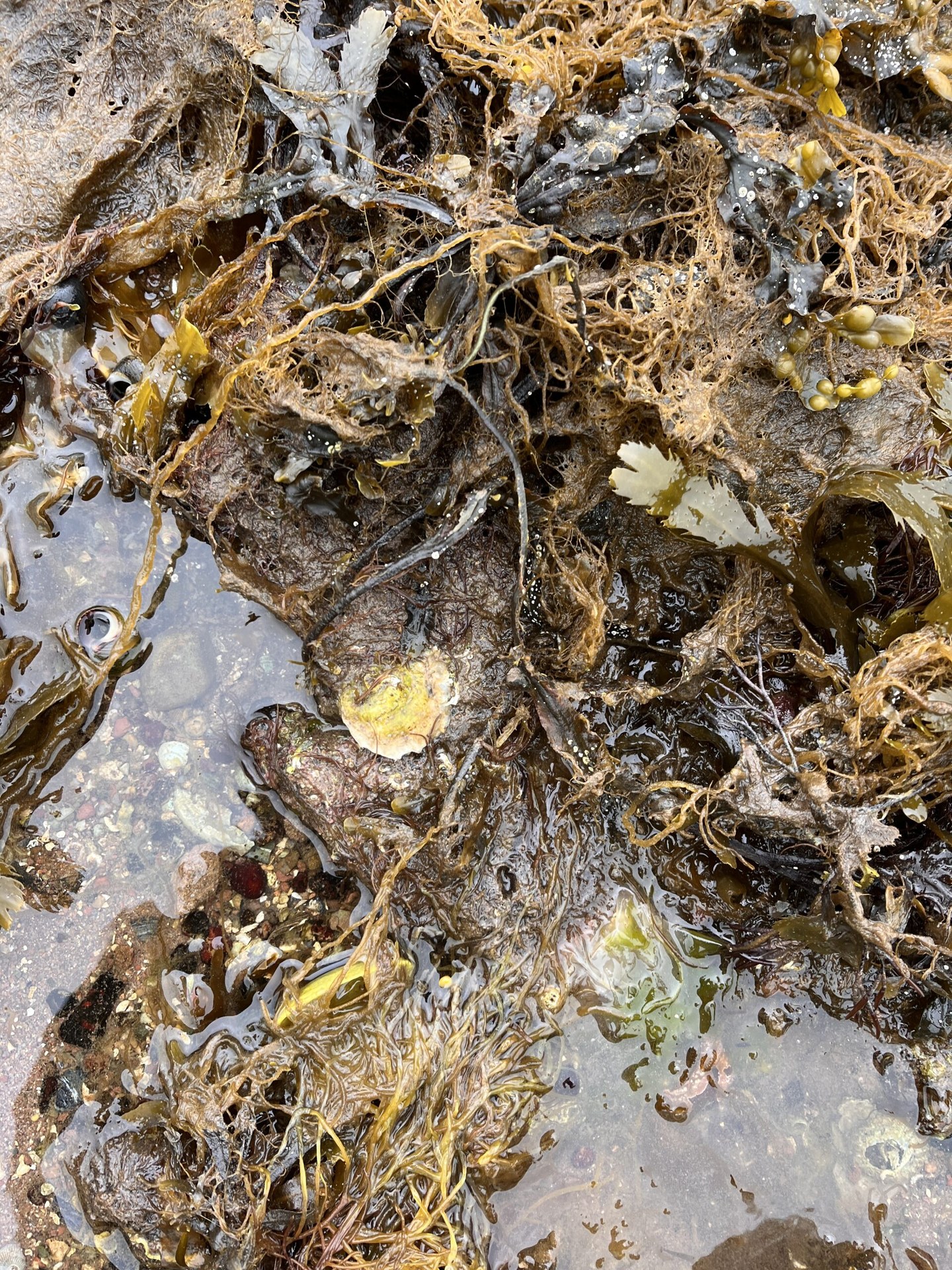
Native oyster restoration
Bringing native oysters back to Davaar
Native oysters were once widespread around Scotland's coasts and sea lochs, forming extensive beds beneath the water. Today, only scattered populations remain — and they are now recognised as a Scottish Priority Marine Feature and included on the OSPAR list of threatened and declining species.
As they settle and grow together, oysters create complex living reefs providing habitat, shelter and nursery grounds for other marine life, and they filter seawater as they feed. For the past few years we have been surveying the shoreline, running small-scale settlement trials and adapting to the challenges of an exposed tidal environment. Encouragingly, our early trials have shown evidence of natural settlement.
Marine protection
Protecting our Priority Marine Features
The main area of focus is protecting the various Priority Marine Features — including native oyster, blue mussel beds, maerl, horse mussels and kelp forests — in the marine habitat surrounding Davaar Island, to store blue carbon, enhance coastal defences and increase biodiversity in our seas.
- Protect and restore marine biodiversity
- Protect and improve the island's watercourses and provide a corridor for the otters and other species they support
- Undertake regular shoreline clean ups for tidal debris
- Investigate becoming a Mission Blue “Hope Spot”
Habitat restoration
Conserving precious beauty
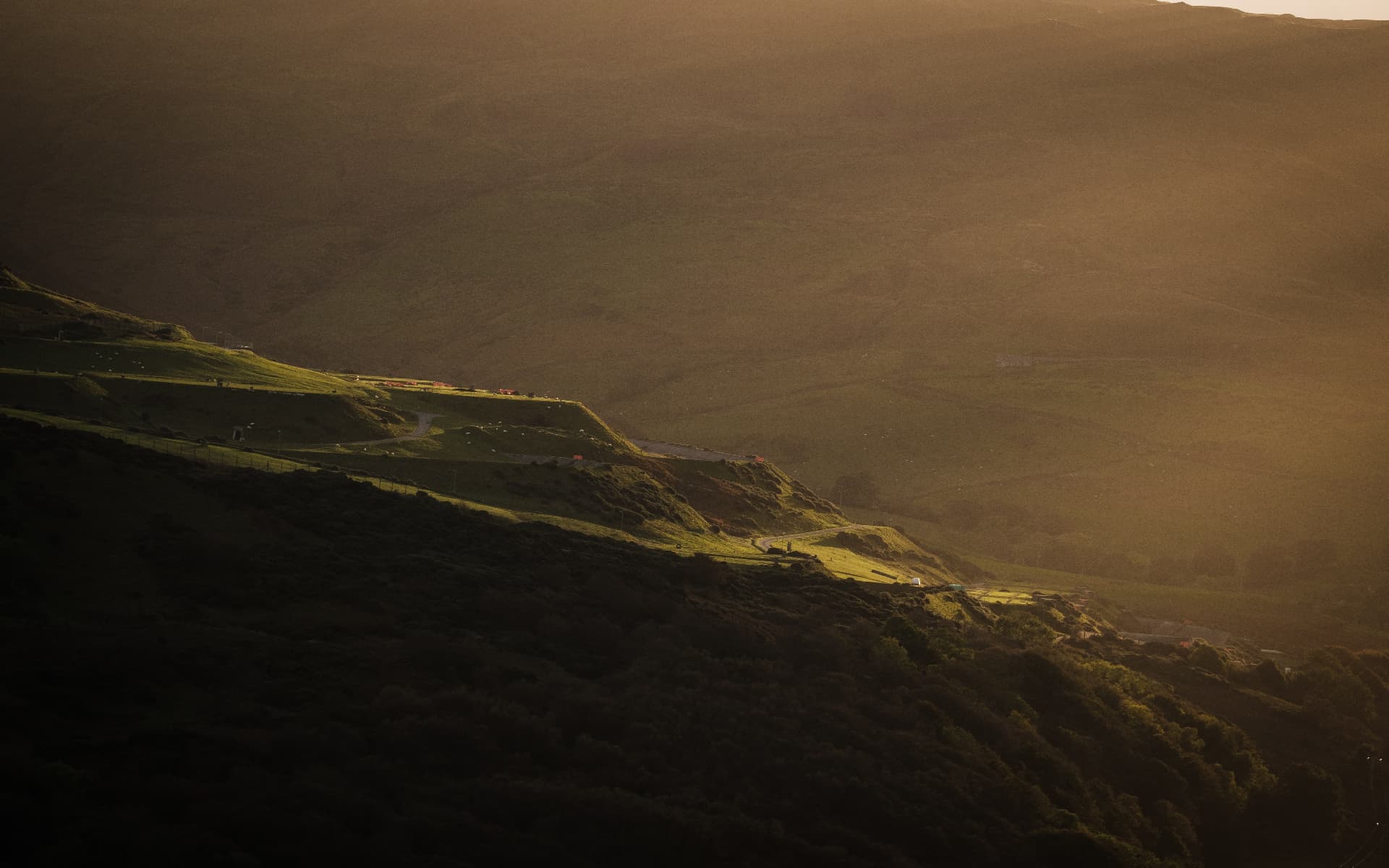
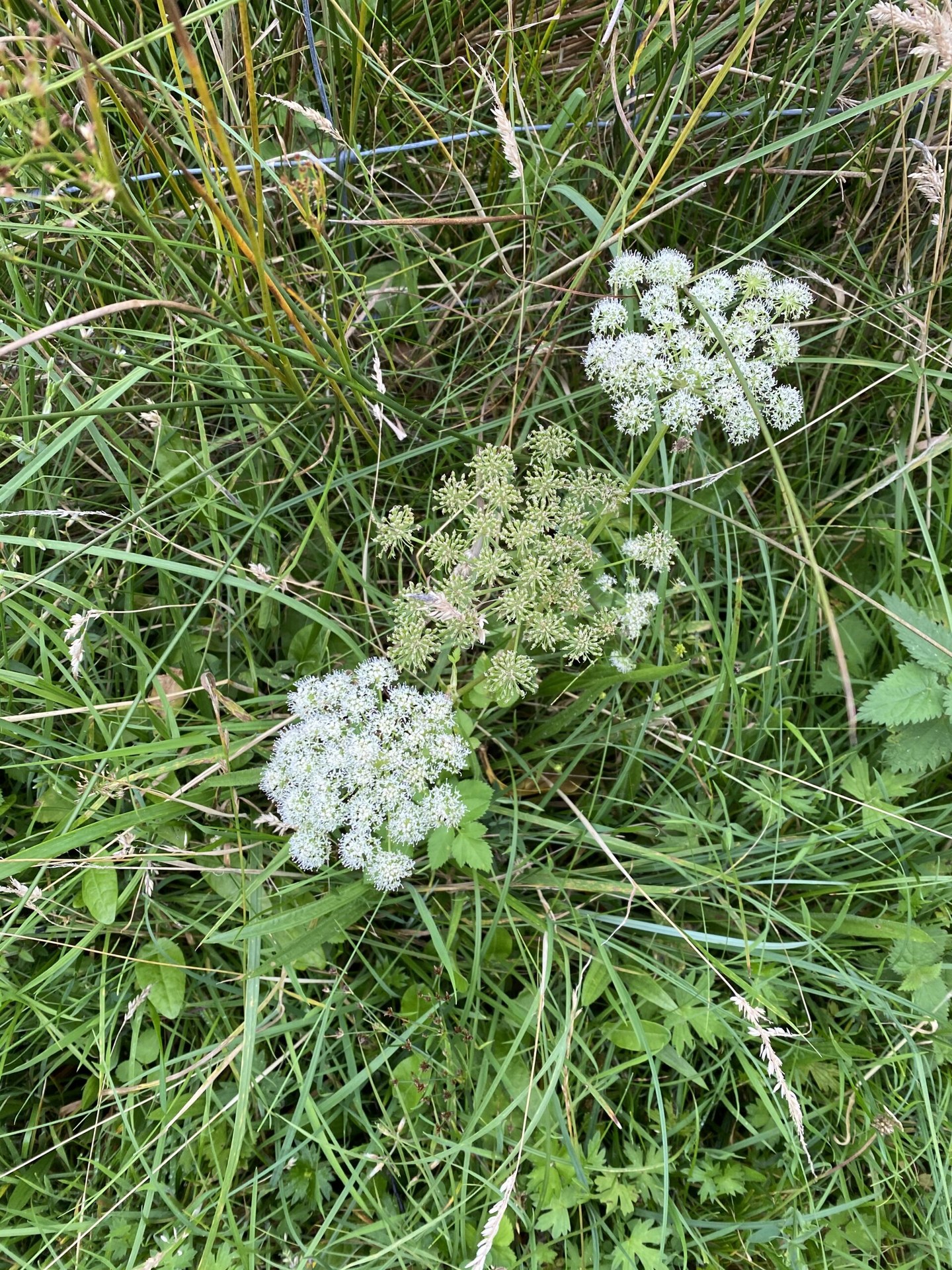
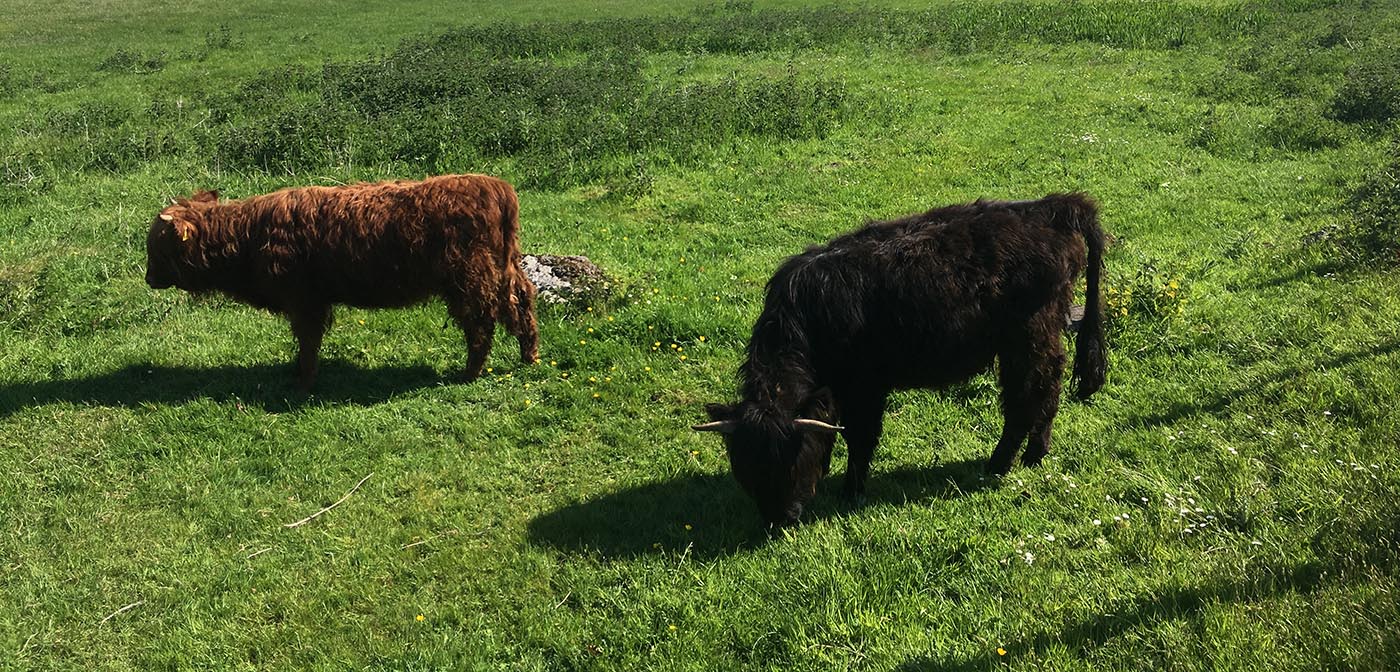
Much of Davaar's land mass is rough hill pasture, which plays a vital role in supporting biodiversity — from micro-organisms and wild flowers to invertebrates and bird life — as well as fixing carbon and nitrogen into the soil. Active management achieves the right balance: low-intensity grazing by our native Highland cattle, limited grazing through the flowering season, grazing down over winter, and removing invasive species such as bracken.
The UK has lost 97% of its traditional wildflower meadows since the 1930s. We are restoring Davaar's meadowland to provide areas of beautiful, wildflower-rich grassland again.
Native woodland
Protecting and creating native woodland
Fenced regeneration corridors encourage the re-establishment of native woodland — downy birch, alder, sessile oak, holly, hazel, silver birch, ash, willow, hawthorn and Scots Pine. Atlantic oakwood habitat once covered the whole western fringe of Europe from Spain to Norway, and native woodlands provide extremely important habitats for a huge variety of wildlife.
Get involved
Volunteer, support or simply spread the word
We are appealing to guests and visitors to support the initiative through volunteering, spreading the word and fundraising — contributions help develop native oyster restoration, blue mussel bed protection and sea kelp lines.
Get in touchOr email us at info@davaarisland.co.uk
Plan your escape